Discover the Best Blue Stone Engagement Ring for Your Proposal?
Choosing the perfect engagement ring is a momentous task. Among various options, the "blue stone engagement ring" has gained notable popularity. According to a report by The Knot, over 25% of couples now prefer colored gemstones over traditional diamonds. This shift reflects a desire for personalization and uniqueness in engagements.
Blue stones, such as sapphires, have significant symbolism. They represent loyalty and trust, which are essential in a marriage. A blue stone engagement ring can make a bold statement, setting it apart from conventional choices. However, buyers must navigate the market wisely. Not all vendors provide genuine stones or clear certifications. It's crucial to seek reliable sources and verify the authenticity of the stones before making a purchase.
Yet, the allure of blue stones can overshadow some practical considerations. The pricing can vary significantly based on quality and cut. Understanding these factors is essential for making an informed decision. A blue stone engagement ring can be a beautiful choice, but one must weigh both emotional and financial implications carefully to ensure a satisfactory investment.
Understanding Blue Stones: Types and Meanings for Engagement Rings
When it comes to blue stone engagement rings, understanding the types and their meanings is essential. Blue stones, such as sapphires, topaz, and kyanite, each carry unique symbolism. Sapphires are often associated with wisdom and nobility. They also represent loyalty and trust, making them perfect for an engagement ring. Topaz, on the other hand, is linked to love and affection. Its warm blue hues can signify harmony in a relationship.
Kyanite, while less common, is known for its calming effects. This stone promotes peace and tranquility, desirable qualities for a loving partnership. Each stone’s color and clarity can affect its meaning as well. A deep blue sapphire may evoke feelings of stability, while a lighter blue topaz may bring a sense of serenity.
However, choosing the right stone shouldn't solely rely on its meaning. Personal preferences and style matter greatly. Sometimes, the most beautiful blue stone might not have the traditional qualities linked to engagement rings. Consider what resonates with you and your partner. A striking blue stone can be a unique, beautiful choice for a proposal, blending meanings and personal significance.
Blue Stone Engagement Rings: Types and Popularity
This bar chart illustrates the popularity percentage of various types of blue stones used for engagement rings. Sapphires lead the list, reflecting their classic appeal, followed by aquamarine and blue diamonds. This data can help you make an informed choice when considering a blue stone engagement ring.
Evaluating the Quality of Blue Stones for Engagement Rings
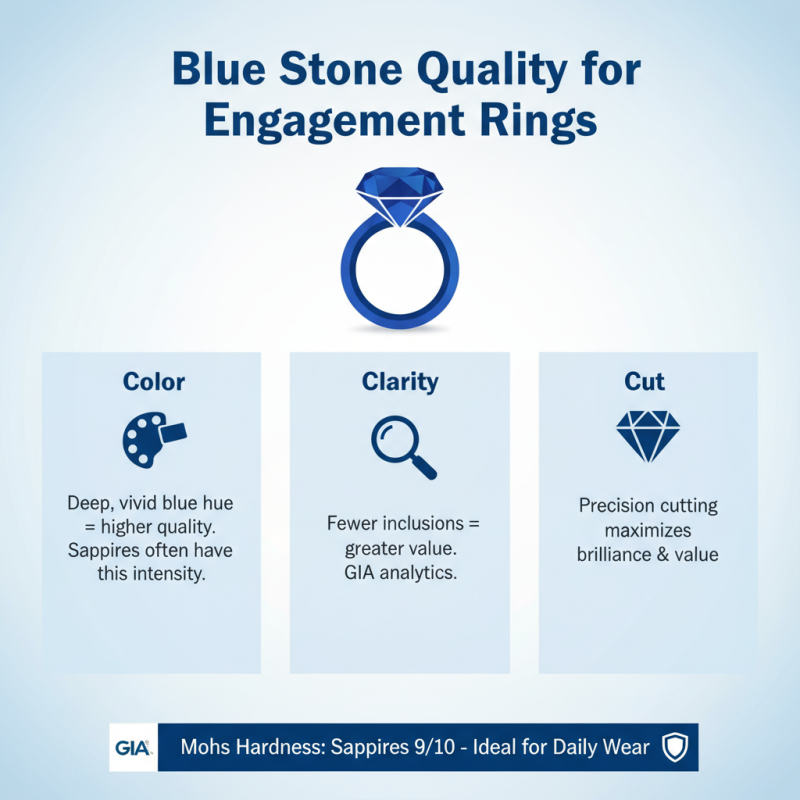
When selecting a blue stone for an engagement ring, understanding its quality is crucial. Not all blue stones are created equal. Analytics from the Gemological Institute of America (GIA) show that factors like color, clarity, and cut significantly impact a stone's value. A deep, vivid blue hue typically indicates higher quality. This intensity often comes from sapphires, which rank high on the Mohs scale of hardness, making them ideal for daily wear.
Clarity is another essential consideration. Many blue stones may contain inclusions that affect their brilliance and overall appearance. Ideally, an engagement ring should feature stones with minimal visible inclusions. According to a report by the International Gem Society, stones graded higher for clarity earn a premium in the market. Remember, a ring's appeal also stems from craftsmanship. The setting should complement the stone, enhancing its natural beauty and stability.
It's also worth noting that not every blue stone suits everyone's taste. Some may prefer the softer tones of aquamarine or the darker hues of tanzanite. Each option carries its personality and drawbacks. For instance, while tanzanite is striking, it's more susceptible to scratches. Therefore, weigh the aesthetic desires against durability and maintenance. Selecting the right stone involves a balance of preferences and practicalities, making every choice a thoughtful reflection of love.
Choosing the Right Setting for Your Blue Stone Engagement Ring
Choosing the right setting for your blue stone engagement ring can be a rewarding yet challenging experience. The setting greatly influences the overall look of the ring. You may prefer a classic halo design or something more contemporary. Each style brings its own character to the ring.
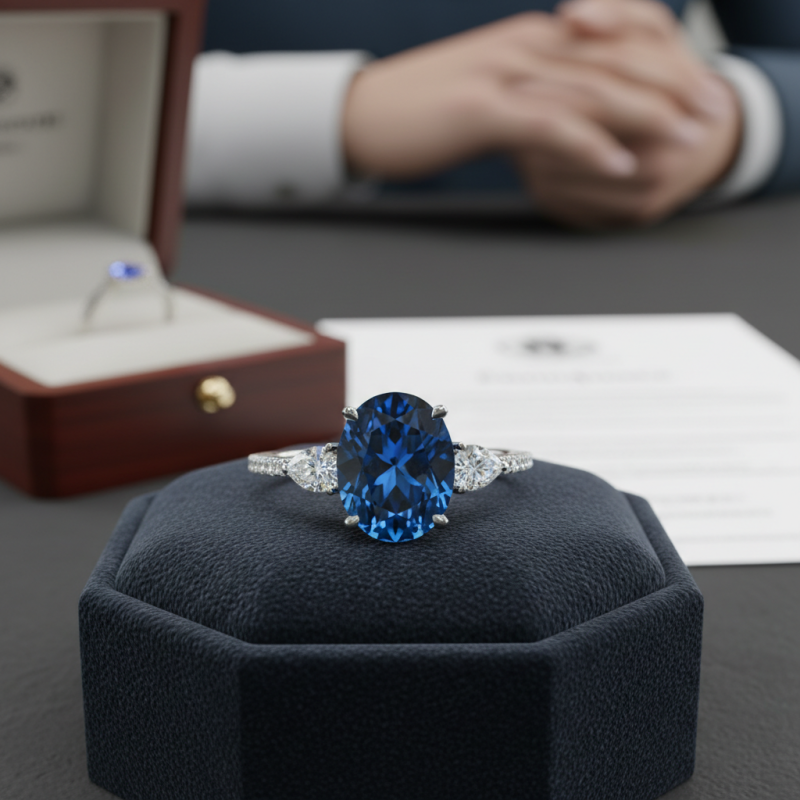
Consider the shape of the blue stone. Oval or round cuts can look stunning in a delicate prong setting, allowing light to dance through the gem. On the other hand, a cushion-cut stone might shine better in a bezel setting, providing a modern twist. Reflect on what best matches your partner's style.
Tips: When selecting a setting, think about comfort. Some settings can snag on clothing. Ensure the bandwidth complements the stone size. A wider band can balance a larger stone, while a slimmer band may suit a delicate gem. Finally, remember to consider the metal. Platinum offers durability, while white gold adds warmth. Reflect on these aspects carefully; each choice impacts the ring's comfort and appearance.
Discover the Best Blue Stone Engagement Ring for Your Proposal - Choosing the Right Setting for Your Blue Stone Engagement Ring
| Ring Style |
Stone Type |
Setting Type |
Metal Type |
Price Range |
| Solitaire |
Sapphire |
Prong Setting |
White Gold |
$1,200 - $2,000 |
| Halo |
Blue Diamond |
Halo Setting |
Platinum |
$3,000 - $5,000 |
| Vintage |
London Blue Topaz |
Unique Vintage Setting |
Rose Gold |
$1,800 - $3,200 |
| Three-Stone |
Aquamarine |
Three-Stone Setting |
Yellow Gold |
$2,500 - $4,000 |
| Twisted Band |
Iolite |
Twisted Setting |
Silver |
$800 - $1,500 |
Matching Your Blue Stone Engagement Ring with Personal Style
Choosing a blue stone engagement ring requires a deep understanding of personal style. The psychology behind color choice is significant. Studies show that blue is often linked to calmness and trust. Understanding this can help you select a ring that reflects emotional ties and future aspirations.
When selecting your ring, consider the various shades of blue. Deep navy or bright azure can evoke different feelings. According to a recent survey, about 35% of couples prefer sapphires in their rings. These stones not only offer beauty but also symbolize loyalty. Match the tone of the blue stone with your partner’s favorite colors.
Another factor is the ring's setting. Whether it’s a vintage-inspired or modern design, it should align with the recipient’s style. Research indicates that 60% of individuals find unique settings more appealing. While some might lean towards classic styles, others may desire something unconventional that truly represents their personality. Balancing these preferences is key, even if it leads to a longer search.
Caring for and Maintaining Your Blue Stone Engagement Ring
Caring for a blue stone engagement ring requires attention and patience. The vibrant hues of blue stones can fade if exposed to harsh sunlight for extended periods. Store your ring in a fabric-lined box to prevent scratches. A clean, dry cloth works well to wipe off daily dirt and oils.
Regular maintenance is key. Take your ring to a professional for cleaning every six months. Certain chemicals can damage the stone's brilliance. Avoid wearing it while gardening or swimming. The blue stone might seem durable, but it can chip under heavy impact.
Reflect on your lifestyle when maintaining your ring. If you're active, consider leaving it at home during workouts. This ring represents a precious moment, so keeping it in top shape is essential. Small adjustments now can prevent bigger issues later. The occasional scratch or dent can happen, but don’t ignore them. Each imperfection tells a story, but they can also detract from your ring’s beauty.