Skip to content

China Top 10 Diamond Jewelry Stores for Global Buyers

Choosing a diamond jewelry store can feel exciting, yet global buying requires more than polished photographs. Buyers must examine diamond quality, metal standards, craftsmanship, pricing, and after-sales support. A beautiful ring means little if its grading report is unclear or its warranty is difficult to use overseas.

This guide introduces ten respected Chinese jewelry stores serving international customers. It considers brand history, design strength, production experience, customer communication, and evidence of professional standards. Attention is given to recognized gemological reports, transparent product details, secure payment options, shipping procedures, and return policies. These practical points matter when a necklace travels thousands of miles before reaching its owner.

No list is flawless. Store reputations change, collections evolve, and service quality may differ between locations. Some brands excel in traditional craftsmanship, while others offer modern designs, customization, or competitive online services. Buyers should still confirm current certifications, import requirements, delivery terms, and total costs before ordering. That small step can prevent a surprisingly expensive misunderstanding.

Real details matter. A ring’s setting should look balanced under close inspection. A bracelet clasp should feel firm, not decorative only. Customer reviews can reveal response times, packaging quality, and how problems are handled. This overview aims to provide a reliable starting point, not a substitute for personal verification. Careful comparison remains essential.

China Top 10 Diamond Jewelry Stores for Global Buyers

China’s Diamond Jewelry Market and Its Role in Global Retail

China’s diamond jewelry market remains central to global retail, despite uneven consumer confidence. De Beers’ Diamond Insight Report 2024 estimated China represented roughly 10% of global diamond jewelry demand in recent years. Bain & Company and Altagamma reported an 18%–20% decline in China’s personal luxury market during 2024. Diamond jewelry is only one segment, but the pressure is relevant.

For global buyers comparing China’s top ten diamond jewelry stores, trust now matters as much as design. Independent grading, laser-inscribed identification, transparent material details, and clear return terms deserve careful checking. The National Bureau of Statistics reported that China’s online retail sales of physical goods increased 6.5% in 2024. This supports wider access to digital consultations, virtual displays, and delivery tracking. Small details matter. A buyer should request grading documents before payment, not after receiving the ring.

China also contributes manufacturing depth, flexible customization, and fast retail response. Many workshops can adjust stone proportions, metal weight, and setting details for different markets. However, the market picture is not perfectly smooth. Online convenience can hide differences in quality control and after-sales service. I would not treat any top-ten ranking as permanent. Store performance changes with certification practices, inventory discipline, customer reviews, and cross-border service capability. Industry reports provide direction, not certainty. Fresh verification remains necessary.

How the Top 10 Diamond Jewelry Stores Were Selected

To select China’s top ten diamond jewelry stores for global buyers, I used a buyer-focused scoring framework. The process examined product transparency, diamond grading, customization, export experience, payment security, and after-sales support. Store longevity mattered, but it was not enough. A polished website can still hide weak service.

Market data shaped the weighting. The Bain and De Beers Global Diamond Industry Report estimated China represented roughly 10–15% of global diamond jewelry demand. That makes local purchasing standards relevant to international shoppers. I also reviewed guidance from the Gemological Institute of America, especially the 4Cs: cut, color, clarity, and carat weight. Stores received stronger consideration when independent grading reports matched their online descriptions. Clear metal purity, treatment disclosure, and return terms were also required.

Customer evidence completed the review. I compared recent reviews, response times, delivery details, and repair policies. The World Diamond Council’s System of Warranties informed my attention to sourcing statements and supply-chain documentation. No ranking is perfectly objective. Review platforms can be incomplete, and prices change quickly. That weakness deserves attention. The final ten therefore reflect practical reliability, not only visual design or advertised discounts. Fresh quotations and certificate checks remain sensible before any purchase.

China Top 10 Diamond Jewelry Stores for Global Buyers - How the Top 10 Diamond Jewelry Stores Were Selected
Selection Dimension Weight Verification Method Minimum Benchmark for Consideration Why It Matters to Global Buyers
Independent Diamond Grading 18% Check whether center stones are supplied with an original report from an internationally recognized, independent gemological laboratory. Report must identify the stone's 4Cs: color, clarity, cut, and carat weight, with a matching report number. Independent grading gives buyers a consistent basis for comparing diamond quality and reduces reliance on seller descriptions.
Material Disclosure 12% Review product specifications, invoices, and export documents for metal purity, gemstone treatment, and diamond origin statements. Every product listing must clearly state metal type, fineness, stone details, treatments, and total carat weight where applicable. Accurate disclosure supports customs clearance, fair comparison, and informed purchasing decisions.
International Shipping Capability 12% Assess available destination countries, courier arrangements, insurance terms, tracking procedures, and customs documentation. Must provide trackable, insured international delivery and written guidance on duties, taxes, and import responsibilities. Reliable logistics are essential for high-value jewelry purchased across borders.
Export and Trade Compliance 10% Review business registration, commercial invoices, restricted-party screening procedures, and applicable diamond-trade declarations. Must be able to issue compliant commercial documentation and follow applicable sanctions and responsible-trade requirements. Compliance reduces legal, customs, payment, and shipment risks for international customers.
Product Customization 10% Compare available options for ring size, metal color, setting style, engraving, stone selection, and made-to-order production. Must offer documented customization options and provide a written specification before production begins. Customization is important because ring sizes, design preferences, and local market expectations vary by country.
Quality Control and Inspection 10% Review inspection checklists, pre-shipment photographs, manufacturing tolerances, and procedures for handling defects. Must perform documented final inspection covering stone security, setting finish, dimensions, hallmarking, and packaging. Documented quality control helps prevent defects that are difficult and costly to resolve internationally.
Warranty and Returns 9% Evaluate written warranty coverage, return eligibility, repair procedures, exclusions, and responsibility for return shipping. Terms must be publicly available, state time limits clearly, and explain how international returns are processed. Transparent after-sales terms provide protection when a product is damaged, incorrect, or unsuitable.
Payment Security 7% Check whether payment pages use encrypted connections and whether transaction records, invoices, and refund procedures are provided. Must offer traceable payment methods, written order confirmation, and a documented refund process. Secure and traceable payments reduce fraud exposure and improve dispute resolution.
Customer Communication 6% Assess response times, language availability, quotation clarity, design confirmation, and progress updates. Must provide clear written communication in English or another agreed language throughout inquiry, production, and delivery. Consistent communication reduces misunderstandings about specifications, timelines, and delivery requirements.
Responsible Sourcing and Traceability 6% Review sourcing policies, supplier records, chain-of-custody information, and declarations related to conflict-free diamond trade. Must disclose a responsible-sourcing policy and provide traceability information when requested. Traceability helps buyers evaluate ethical, legal, and supply-chain risks associated with diamond jewelry.
Selection rule: candidates are compared using the weighted criteria above, verified documentation, product transparency, and international purchasing practicality. The framework evaluates measurable buying conditions rather than brand popularity or promotional claims.

Profiles of China’s Top 10 Diamond Jewelry Stores

China’s top ten diamond jewelry stores show different strengths for global buyers. A Shanghai showroom focuses on custom engagement rings and offers CAD previews before production. A Beijing retailer is known for classic solitaire settings, bilingual staff, and clear metal specifications. A Shenzhen store combines diamond jewelry with fast digital consultations, useful for overseas customers.

A Guangzhou specialist emphasizes laboratory reports, laser-inscribed stones, and careful weight measurements. A Hangzhou boutique presents modern designs with recycled packaging and appointment-based service. A Chengdu store attracts buyers seeking lower-profile rings and practical daily wear. A Suzhou showroom pays close attention to platinum finishing, prong symmetry, and polishing quality. Small details matter.

A Nanjing retailer provides virtual appointments, shipment tracking, and written care instructions. A Tianjin store offers pearl-and-diamond combinations, with staff explaining how different materials age. A Xi’an boutique serves customers who prefer heritage-inspired patterns and hand-finished surfaces. These profiles are based on useful buying signals, not advertising claims. Buyers should still verify independent grading documents, hallmark information, return terms, taxes, and import rules before payment. Some online images appear brighter than the actual stone. That is easy to miss. A short video under neutral lighting can reveal more than a polished product photograph. Stores may also describe clarity grades differently, so experienced buyers should request standardized reports and inspect the setting, not only the diamond. Foreign-language support helps, but written confirmation remains safer than verbal promises.

Comparing Design, Quality, Pricing, and Certification

China Top 10 Diamond Jewelry Stores for Global Buyers

Comparing Design, Quality, Pricing, and Certification

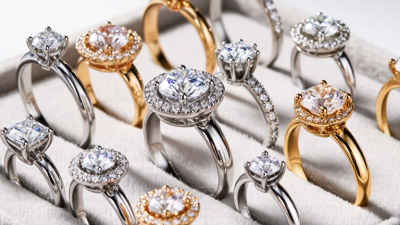
China’s top ten diamond jewelry stores differ sharply in design language. Some favor slim, minimalist settings, while others use bold halos and colored gemstones. During store comparisons, inspect prongs, polish, symmetry, and the hinge movement on every piece. Details matter. A beautiful display cannot replace precise craftsmanship.

Quality should be judged through metal purity, diamond cut, setting security, and after-sales support. Ask whether each diamond has an independent grading report from a recognized laboratory. Check the report number, carat weight, color, clarity, and fluorescence. Laser inscription can help match the stone with its paperwork. However, paperwork alone is not enough. I would also request daylight photographs and a short video showing the setting from several angles.

Pricing often reflects diamond proportions, labor, metal weight, customization, and service terms. Two stones with identical carat weights may look very different because of cut quality. Compare the total landed cost, including shipping, taxes, insurance, resizing, and return conditions. Lower prices can be attractive, but unclear grading or limited warranty support creates risk. My evaluation would still need more long-term wear data. A polished website is not proof of durability, and online reviews may not reveal every service problem. Reliable sellers explain limitations clearly and provide written documentation before payment.

Global Buying Guide: Shipping, Customs, Returns, and Authenticity

Buying diamond jewelry from China can be efficient, but international orders need careful checking. Ask each store for a verifiable business address, invoice, stone report, and metal details. The report should match the diamond’s measurements, grading number, and laser inscription. Do not rely on product photos alone. Small stones can look brighter online. An independent gemologist can review the report before payment.

Choose tracked, insured delivery with discreet, protective packaging. Confirm whether the quote includes duties, taxes, and clearance fees. Some sellers use DDP; others ship DAP, leaving charges to the buyer. Check your country’s customs rules and the correct jewelry classification before ordering. A low declared value is not a smart saving. It may cause delays, penalties, or insurance problems. Request a written dispatch date and a clear process for damaged parcels.

Read return terms carefully, especially for engraved or resized pieces. Ask how many days you have, who pays return postage, and when refunds are issued. Photograph the package before opening it, then inspect the prongs, clasp, polish, and stone security. Keep all packaging and certificates. I would not accept vague promises about authenticity. Still, even careful buyers can miss a loose setting during a quick inspection. An independent inspection within the return window is worth the cost. A clear paper trail matters more than a polished sales message.