413 Central Ave, N Faribault, MN 55021 | 507-334-7114 | Hours: Tuesday-Friday 9am - 5:30pm & Saturday by appointment

10 Essential Tips from Diamond Ring Jewelers for Choosing Your Perfect Ring?
Choosing the perfect diamond ring can be overwhelming. According to a report by The Knot, 80% of engagement ring shoppers feel stressed by the process. With so many options available, guidance from experienced diamond ring jewelers becomes invaluable. They emphasize understanding the "Four Cs"—cut, color, clarity, and carat weight—as fundamental elements in selecting a ring.
Many buyers overlook the significance of the ring's setting and style. Jewelers recommend considering personal taste and lifestyle, as these factors greatly impact the ring's durability and appearance. For instance, those with active lifestyles might prefer lower-profile designs. Yet often, shoppers prioritize trend over practicality, which can lead to regret.
Furthermore, shoppers sometimes underestimate their budget. A 2022 report indicates that the average engagement ring costs around $6,000. However, many consumers spend beyond their means, driven by unrealistic societal expectations. Diamond ring jewelers advise setting a budget that respects personal financial health while ensuring satisfaction in the final choice.
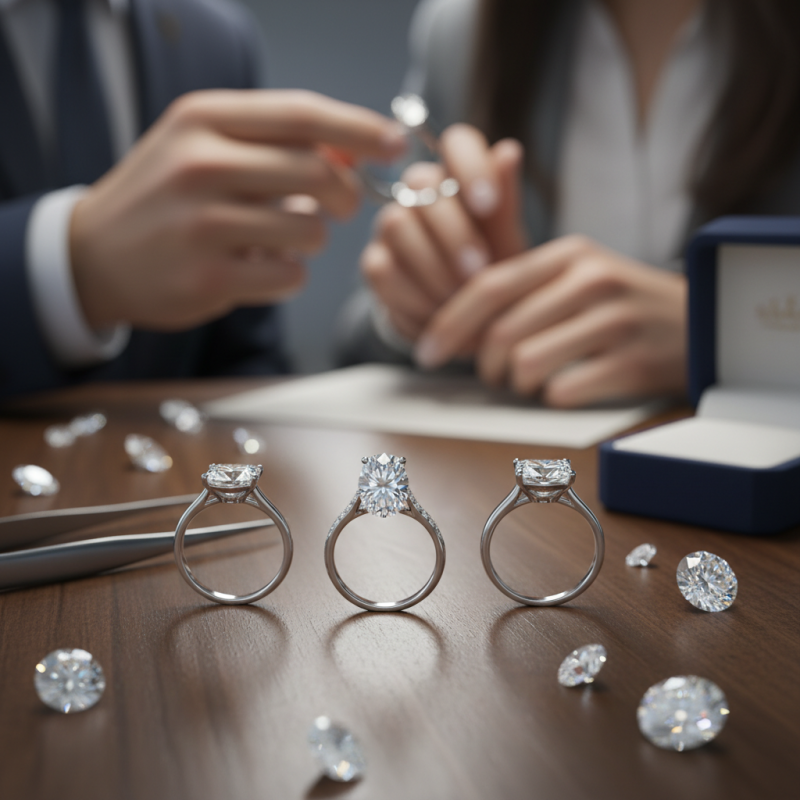
Understanding the 4 C's: Cut, Clarity, Color, and Carat Weight
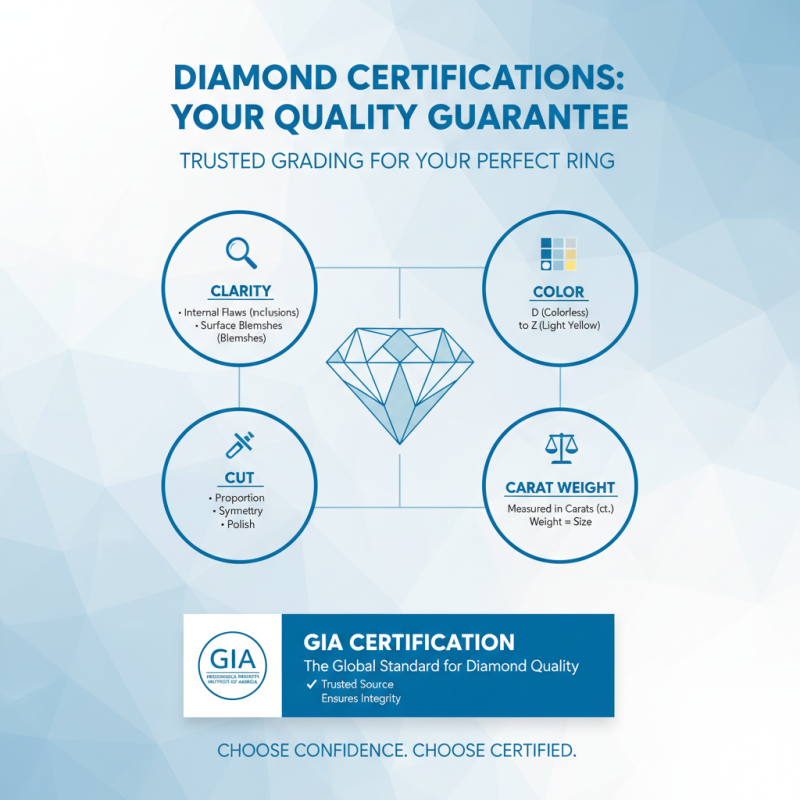
Choosing a diamond ring can be overwhelming. Understanding the 4 C's is essential. These are Cut, Clarity, Color, and Carat Weight. Each factor plays a significant role in the ring's overall beauty and value.
Cut refers to how well the diamond has been shaped and faceted. A well-cut diamond sparkles brilliantly. A poor cut can make a diamond look dull. Clarity indicates the presence of internal flaws, known as inclusions. While some imperfections are hardly noticeable, they can affect the stone's value. Seek a balance between visual beauty and clarity.
Color evaluates the diamond's hue. Diamonds range from colorless to light yellow or brown. A colorless diamond tends to shine brightly, attracting attention. Carat Weight measures the diamond's size. Bigger isn’t always better. A smaller diamond with excellent cut and clarity can be stunning. Reflect on what matters most to you. Choose a diamond that resonates with your taste and style.
10 Essential Tips for Choosing Your Perfect Ring - Understanding the 4 C's: Cut, Clarity, Color, and Carat Weight
| Tip Number | Tip Description | Cut Quality | Clarity Grade | Color Grade | Carat Weight |
|---|---|---|---|---|---|
| 1 | Understand your budget | Excellent | VVS1 | G | 1.0 |
| 2 | Consider the ring style | Very Good | VS2 | H | 0.75 |
| 3 | Choose the right metal | Good | SI1 | I | 0.50 |
| 4 | Consider buying a certified diamond | Excellent | VVS2 | F | 1.5 |
| 5 | Keep your finger size in mind | Very Good | VS1 | G | 1.2 |
Related Posts
-

What is an Engagement Ring? A Complete Guide to Choosing the Perfect One
-
Top Diamond Ring Jewelers for Your Perfect Engagement Ring?
-
Top 10 Engagement Ring Tips for Choosing the Perfect Ring for Your Partner
-
10 Best Birthstone Charm Bracelets to Celebrate Your Unique Style?
-
Why Choosing the Right Engagement Ring Store Is Essential for Your Perfect Ring
-
2026 How to Choose the Perfect Stone Pendant for Your Jewelry Collection?